Blog
Canada offers travelers something truly rare: the opportunity to experience profound cultural diversity alongside some of the world’s most pristine natural landscapes. From the vibrant francophone communities of Quebec and Acadia to the fog-draped coastlines of the Atlantic provinces, this vast country invites you to slow down, observe carefully, and connect authentically with places that have shaped Canadian identity for generations.
This approach to travel—thoughtful, immersive, and experiential—transforms a simple trip into a journey of discovery. Whether you’re navigating bilingual conversations in a Montreal café, timing the perfect tidal landscape shot on the Bay of Fundy, or practicing forest bathing in British Columbia’s ancient woods, each experience builds a deeper understanding of what makes Canada extraordinary. The following sections will equip you with practical knowledge across four pillars of meaningful Canadian travel: cultural immersion, photography techniques, viewpoint discovery, and nature-based wellness.
Why Cultural Immersion Matters in Canada’s Francophone Communities
Canada’s bilingual character isn’t merely an administrative detail—it represents a living, breathing cultural reality that defines entire regions. Approximately 7.5 million Canadians speak French as their first language, creating communities where European heritage blends seamlessly with North American sensibilities.
Navigating the Social Landscape
Understanding social customs in francophone Canada opens doors that remain closed to passive tourists. The “5 à 7” tradition—after-work socializing between 5 and 7 PM—exemplifies Quebec’s distinctive approach to work-life balance. Unlike rushed happy hours elsewhere, these gatherings prioritize conversation and connection over consumption.
When engaging in French social interactions, remember that formality levels differ significantly from France. Quebecers appreciate effort over perfection; attempting French, even imperfectly, demonstrates respect. Start with “Bonjour” rather than the informal “Salut” with strangers, and expect conversations to blend French and English naturally—a phenomenon locals call “franglais.”
Experiencing Authentic Cultural Touchstones
Participating in regional celebrations like Saint-Jean-Baptiste Day (June 24th) reveals Quebec’s cultural pride at its most vibrant. These aren’t performances for tourists; they’re genuine expressions of francophone identity featuring traditional music, outdoor festivities, and community gatherings that welcome respectful visitors.
The café culture in cities like Montreal, Quebec City, and Moncton offers daily opportunities for cultural absorption. Unlike grab-and-go coffee chains, traditional cafés encourage lingering. Order a café au lait, claim a corner table, and observe how locals transform these spaces into extended living rooms—reading newspapers, debating politics, or simply watching street life unfold.
How to Capture Canada’s Coastal Beauty Through Photography
The Atlantic provinces present photographers with a unique challenge: constantly shifting conditions where fog, tide, and light transform familiar scenes hourly. Mastering these variables separates documentary snapshots from compelling visual stories.
Working With Coastal Fog and Light
Atlantic fog isn’t an obstacle—it’s an atmospheric gift that adds mystery and depth to coastal imagery. Early morning fog typically burns off between 9 and 11 AM, creating a narrow window where backlit mist glows golden against darker landforms. Use this transitional period to shoot lighthouses emerging from vapor or fishing boats materializing on glassy harbors.
Protect your camera gear from salt spray by keeping lens cloths accessible and avoiding lens changes in marine environments. A simple rain sleeve provides affordable protection during coastal shoots, while silica gel packets in your camera bag combat the persistent humidity that plagues Atlantic photography.
Timing Tides and Finding Iconic Subjects
The Bay of Fundy experiences the world’s highest tides—up to 16 meters—which completely reconfigure coastal landscapes twice daily. Check tide tables through Fisheries and Oceans Canada to plan shots at strategic moments:
- Low tide: reveals sea floor textures, tidal pools, and dramatic rock formations
- Incoming tide: creates dynamic water movement around stationary objects
- High tide: simplifies compositions by eliminating foreground clutter
Lighthouses like Peggy’s Cove in Nova Scotia or East Quoddy in New Brunswick draw crowds, but arrive before sunrise or during inclement weather to capture these iconic structures without competing photographers. The colorful fishing villages of Lunenburg or Trinity offer compelling alternatives where weathered boats, lobster traps, and painted buildings create layered compositions rich with maritime character.
Where to Find the Most Breathtaking Panoramic Views
Canada’s geography—spanning prairies, mountains, coastlines, and boreal forests—demands elevated perspectives to fully appreciate its scale. Accessible viewpoints exist across the country, from engineered observation platforms to natural vantage points requiring minimal effort.
Urban and Mountain Lookouts
Tower views in urban centers provide immediate orientation to unfamiliar cities. The CN Tower in Toronto, Vancouver Lookout, and Calgary Tower offer climate-controlled observation decks year-round, while Montreal’s Mount Royal presents a free alternative where locals gather to watch seasonal transitions across the cityscape.
Drive-up mountain viewpoints democratize alpine experiences for travelers with mobility limitations or time constraints. The Icefields Parkway in Alberta features numerous pullouts where roadside stops reveal glacier-fed valleys and sawtooth peaks. Similarly, the Cabot Trail in Nova Scotia delivers Atlantic vistas accessible directly from parking areas along the coastal highway.
Natural Platforms and Engineering Marvels
Suspension bridges like the Capilano in Vancouver or SkyWalk in Jasper transform the journey into the destination—walking above forest canopies or canyon floors provides perspectives impossible from ground level. These engineered experiences complement rather than replace wilderness immersion.
Waterfall viewpoints often present a choice: observe from below where mist and power overwhelm, or view from above where water’s journey becomes visible. Niagara Falls demonstrates this perfectly—the Hornblower boat tour emphasizes raw force, while Table Rock observation platforms reveal the Horseshoe Falls’ massive volume and the river’s geometry. Choose based on your photographic goals or emotional needs.
Connecting With Nature: Mindful Travel Across Canadian Landscapes
Canada’s wilderness offers more than scenic backdrops—it provides space for psychological restoration increasingly rare in urbanized societies. This final pillar explores how intentional engagement with natural environments supports mental clarity and spiritual grounding.
Forest Bathing and Solitary Walks
Shinrin-yoku, or forest bathing, has found particular resonance in Canadian woods where old-growth forests create cathedral-like atmospheres. Parks Canada and provincial park systems increasingly recognize this practice, maintaining quiet trails specifically for contemplative walking rather than fitness-focused hiking.
The Group of Seven—Canada’s most celebrated landscape painters—sought spiritual connection through wilderness immersion during the early 20th century. Their painting locations in Algonquin Park, Georgian Bay, and Lake Superior’s north shore remain accessible, allowing modern travelers to stand where A.Y. Jackson and Tom Thomson transformed Canadian wilderness into national iconography.
Dark Sky Preserves and Digital Disconnection
Canada maintains over 20 designated dark sky preserves where light pollution regulations protect nocturnal environments. Jasper National Park holds the world’s largest accessible dark sky preserve, offering celestial displays impossible near populated areas. These locations serve dual purposes: astronomical observation and profound silence that recalibrates urban-weary nervous systems.
Off-grid cabins throughout the Canadian Shield, Maritime provinces, and northern territories enable complete digital disconnection. Without cellular service or Wi-Fi, attention naturally shifts to immediate surroundings—bird calls, weather patterns, seasonal changes. This forced unplugging, initially uncomfortable for many travelers, typically yields the trip’s most memorable moments and genuine rest.
Meaningful travel in Canada requires patience, preparation, and openness to experiences that don’t fit conventional tourism templates. By engaging deeply with francophone culture, mastering the technical challenges of coastal photography, seeking elevated perspectives, and allowing wilderness to restore mental balance, you’ll discover a Canada that exists beyond promotional imagery—a country of profound contrasts, quiet beauty, and transformative potential for those willing to look carefully and move slowly.
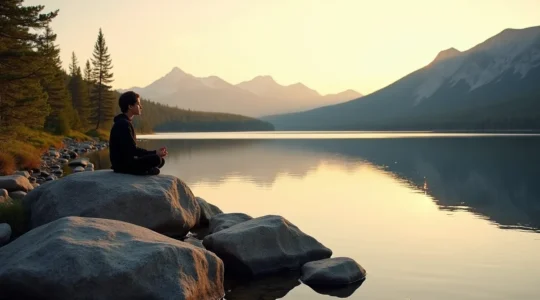
Healing in Nature: Finding Solace in Canada’s Vast Landscapes
Contrary to popular belief, simply visiting Canada’s beautiful landscapes is not enough to heal urban burnout; true mental and spiritual renewal comes from intentional, mindful practices that foster a deep, reciprocal connection with the wilderness. Forest bathing (Shinrin-Yoku) and stargazing…
Read more
Seeking the Best Views: Accessible Lookouts Across Canada
Finding a spectacular Canadian viewpoint doesn’t have to mean a grueling hike; the best spots are often the ones that offer the highest reward for the lowest effort. Many iconic views, from the Rocky Mountains to major city skylines, are…
Read more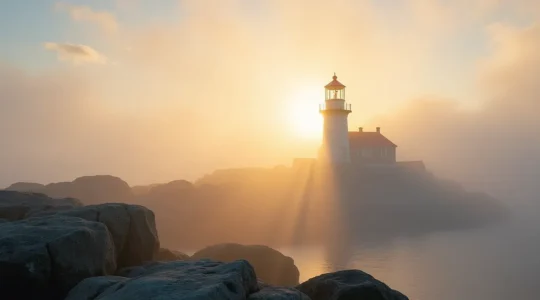
Photographing the Maritimes: Chasing Light on the East Coast
In summary: Successful Maritime photography requires mastering the elements—fog, tides, and light—not just visiting famous spots. Choose locations like Swallowtail Lighthouse for narrative depth over crowded icons like Peggy’s Cove. Mastering manual mode is essential for capturing unpredictable conditions like…
Read more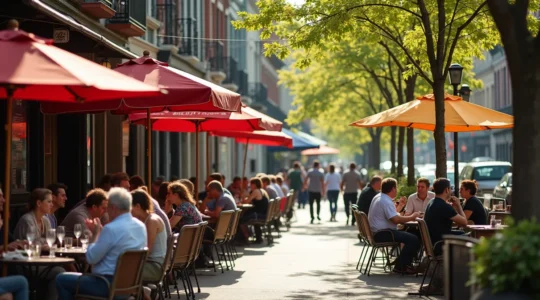
Living the “Joie de Vivre”: Your Insider’s Guide to Canada’s Francophone Vibe
Experiencing French Canada’s “joie de vivre” is not about ticking off landmarks, but about participating in its living cultural rituals. This guide moves beyond clichés like poutine and Old City walls to decode the social grammar behind daily life—from the…
Read more