Culture & History
Canada’s cultural landscape is unlike any other—a vast tapestry woven from Indigenous traditions spanning millennia, colonial influences from competing European powers, waves of immigration, and a contemporary commitment to diversity. From the sacred sites of First Nations communities to the cobblestone streets of Old Quebec, from Yukon’s gold fields to Toronto’s vibrant Pride celebrations, the country’s history reveals itself not as a single narrative but as countless stories intersecting, sometimes harmoniously and sometimes in conflict.
Understanding this complexity transforms travel from simple sightseeing into meaningful engagement. Whether you’re drawn to the spiritual significance of the Northern Lights interpreted through Inuit knowledge, the architectural remnants of French and British rivalry, or the living heritage of communities still practicing centuries-old traditions, approaching Canada’s culture with awareness and respect opens doors to experiences that resonate far beyond your visit.
Indigenous Cultural Experiences: Authenticity and Respect
Canada is home to over 600 recognized First Nations, Inuit, and Métis communities, each with distinct languages, traditions, and worldviews. Engaging with Indigenous tourism offers travelers profound insights into living cultures—not museum exhibits, but dynamic communities continuing ancestral practices while navigating contemporary realities.
The difference between authentic experiences and cultural appropriation hinges on ownership and agency. Indigenous-owned tour operators design experiences that share their stories on their terms, with proceeds supporting their communities. Look for certifications from organizations like the Indigenous Tourism Association of Canada, which helps identify businesses genuinely rooted in Indigenous communities rather than commercial ventures exploiting cultural imagery.
When visiting sacred sites or reserves, protocol matters deeply. Many communities welcome respectful visitors but require advance permission, photography restrictions, or modest dress at spiritual locations. Think of it like entering someone’s home—you wouldn’t barge in uninvited or rearrange their furniture. Similarly, approaching Indigenous spaces with humility and willingness to follow guidance demonstrates the respect that fosters meaningful exchange.
Timing your visit around major cultural events like National Indigenous Peoples Day celebrations, powwows, or seasonal gatherings can provide immersive experiences, though always verify whether events welcome outside visitors. Some ceremonies remain private, and honoring those boundaries is fundamental to ethical cultural engagement.
Quebec’s French Heritage: Beyond Museum Walls
Quebec’s French character isn’t confined to historic plaques and costumed interpreters—it pulses through daily life in ways that surprise even seasoned travelers. The province’s living heritage reveals itself in language rhythms distinct from European French, culinary traditions evolved from Norman roots adapted to New World ingredients, and architectural vernacular shaped by harsh winters and available materials.
The Chemin du Roy, Canada’s first road linking Montreal and Quebec City along the St. Lawrence River, offers a journey through this evolution. Historic inns, stone churches, and riverside villages showcase how communities maintained French identity while developing uniquely Québécois culture. Traveling this route in autumn provides spectacular foliage, while spring and summer allow easier access to heritage gardens and outdoor historic sites that close during winter months.
Authentic heritage dining goes beyond tourist-trap tourtière. Seek out sugar shacks (cabanes à sucre) during maple syrup season, where traditional methods of tapping and boiling remain largely unchanged, or family-run restaurants in rural areas where menus reflect regional specialties passed through generations. In villages where English is rarely spoken, a few French phrases and patience transform potential barriers into opportunities for genuine connection—locals often appreciate effort over perfection.
Budgeting for Quebec heritage sites requires planning, as admission fees accumulate quickly. Many museums offer combination passes, and Parks Canada’s Discovery Pass provides unlimited access to national historic sites for a full year, representing significant savings for travelers visiting multiple locations.
Canada’s Colonial Past: Understanding Diverse Perspectives
Canada’s colonial history is layered and contested, marked by alliances and conflicts between Indigenous nations, French settlers, British forces, and later waves of immigrants. Understanding this complexity means moving beyond simplistic narratives to recognize how different groups experienced the same events.
The Plains of Abraham in Quebec City, where British forces defeated the French in a battle that shaped the continent’s political future, exemplifies this complexity. While British accounts celebrate military victory, French Canadians mourn the loss that nearly extinguished their culture, and Indigenous perspectives remind us that these lands changed hands between parties who hadn’t originally owned them. Visiting such sites with awareness of multiple viewpoints enriches understanding beyond the bronze plaques.
Sites commemorating the Acadian deportation—the forced removal of French-speaking settlers from the Maritimes—tell stories of resilience alongside tragedy. Communities in New Brunswick and Nova Scotia preserve Acadian culture that survived diaspora, offering insights into how identity persists despite displacement.
Historic fur trade posts throughout the country reveal economic systems that brought Indigenous nations, French voyageurs, British merchants, and later diverse laborers into complex relationships. These weren’t simple exploiter-exploited dynamics but intricate networks of negotiation, intermarriage, and mutual dependence that shaped modern Canada’s multicultural character.
Debates surrounding colonial statues and monuments reflect ongoing reconciliation efforts. Rather than avoiding these discussions, thoughtful travelers can learn from how communities grapple with representing painful history while honoring diverse experiences.
Yukon’s Gold Rush Legacy: Adventure in History
The Klondike Gold Rush transformed Yukon from Indigenous homeland to international stampede destination almost overnight. The legacy of this period lives on in Dawson City, where heritage preservation meets frontier personality in a setting that feels simultaneously historical and surreal.
Diamond Tooth Gerties, Canada’s oldest legal gambling hall, operates in a restored building where vaudeville-style performances recreate Gold Rush entertainment. The famous Sourtoe Cocktail—a shot of whiskey garnished with an actual preserved human toe—represents the territory’s irreverent approach to its own mythology, turning extreme frontier conditions into participatory legend.
Visitors can legally pan for gold at designated claims, experiencing the backbreaking work that lured tens of thousands north. Modern prospectors rarely strike riches, but the activity connects you viscerally to the desperation and hope that drove the rush. Regulations govern where panning is permitted, as many areas remain active claims or protected heritage sites.
The Dempster Highway, stretching north from Dawson City to Inuvik, crosses landscapes little changed since the Gold Rush era. This gravel road traverses Indigenous territories where communities maintain traditional relationships with land that predate and outlasted the brief frenzy of gold fever. Experiencing the Midnight Sun from these northern latitudes—where summer brings 24-hour daylight—provides perspective on both the opportunity and challenge early prospectors faced.
The Aurora Borealis: Where Science Meets Spirituality
The Northern Lights shimmer across Canada’s northern skies as both natural phenomenon and cultural touchstone. Indigenous interpretations of the Aurora vary beautifully across nations—some Inuit traditions view them as spirits playing ball with a walrus skull, while certain First Nations describe them as ancestors dancing or communicating messages to the living.
Scientific understanding reveals charged solar particles interacting with Earth’s magnetic field, with different atmospheric gases producing the characteristic colors—oxygen creates green and red hues, while nitrogen produces blue and purple. Yet these explanations needn’t diminish spiritual significance; many travelers find that understanding the physics deepens rather than contradicts the sense of wonder.
Some visitors report hearing the Aurora—crackling or whooshing sounds that scientists debate whether occur from electromagnetic phenomena or result from psychological expectation. Indigenous knowledge holders have described these sounds for generations, and recent research suggests mechanisms that might validate these accounts, demonstrating how traditional knowledge and scientific inquiry can complement each other.
Choosing an Indigenous-led Aurora tour provides cultural context alongside optimal viewing conditions. Guides share traditional stories while explaining viewing strategies, creating experiences richer than simply staring at lights. Respecting spiritual beliefs while viewing means following guide instructions about appropriate behavior, understanding that for some Indigenous viewers, the Aurora represents sacred presence requiring reverence, not just photographic opportunities.
Celebrating Diversity: Canada’s Multicultural Tapestry
Canada’s identity as a cultural mosaic—as opposed to the American “melting pot”—represents an official commitment to cultural retention rather than assimilation. This philosophy shapes everything from government services offered in multiple languages to celebrations of heritage that receive institutional support.
Toronto’s Church Street Village anchors one of North America’s most established LGBTQ+ neighborhoods, where year-round queer culture extends far beyond annual Pride celebrations. Cities across Canada host Pride events with distinct characters—Vancouver’s celebration on beaches, Montreal’s francophone queer culture, Halifax’s Maritime warmth—each reflecting regional personality while celebrating inclusion.
Finding safe spaces in rural areas requires more research, as attitudes vary significantly outside urban centers. LGBTQ+ travelers can consult resources from Tourism Diversity or community organizations that maintain listings of welcoming accommodations and businesses in smaller communities, helping navigate regions where visibility and acceptance differ markedly from metropolitan areas.
Multicultural festivals like Toronto’s Caribana bring Caribbean culture to Canadian streets through massive parades and celebrations, while events honoring Italian, Ukrainian, Chinese, and countless other heritages occur throughout the year nationwide. These aren’t theme park simulations but genuine community celebrations welcoming broader participation, offering windows into how immigrant groups maintain connections to origins while building Canadian identities.
This approach to diversity—imperfect and evolving, but intentional—shapes Canada’s cultural landscape as profoundly as geography or climate. Understanding this framework helps travelers appreciate why cultural maintenance receives such emphasis and how the country continues negotiating unity amid difference.
Canada’s culture and history resist simple summaries because they remain actively contested and continuously evolving. The most rewarding approach combines curiosity with humility—recognize that as a visitor, you’re entering ongoing conversations, not viewing completed chapters. Whether drawn to specific aspects like Indigenous spirituality, colonial architecture, frontier legends, or contemporary diversity, traveling with awareness of broader contexts transforms encounters from superficial tourism into meaningful cultural exchange that enriches both visitor and visited communities.
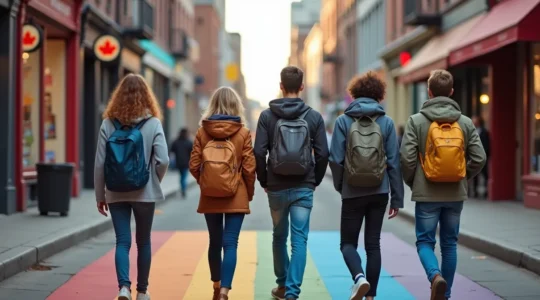
The Mosaic Traveler: Exploring Canada’s Diverse Communities
Canada’s reputation for inclusivity goes far beyond legal rights; it’s a living ‘cultural mosaic’ best experienced through its diverse and intersecting communities. Authentic travel means exploring the history and “living history” of queer spaces, not just visiting them. Inclusivity thrives…
Read more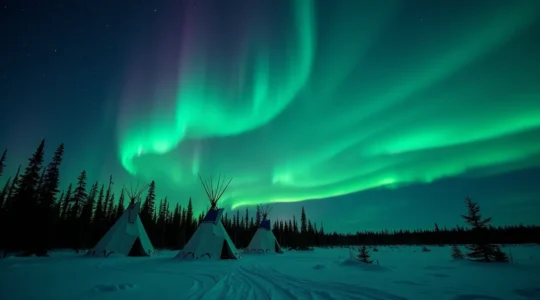
The Spirits in the Sky: Indigenous Legends of the Northern Lights
Most explanations of the Northern Lights present a false choice between science and myth. This guide reframes the Aurora not as a spectacle to be simply observed, but as a living dialogue. We explore how Canadian Indigenous knowledge systems offer…
Read more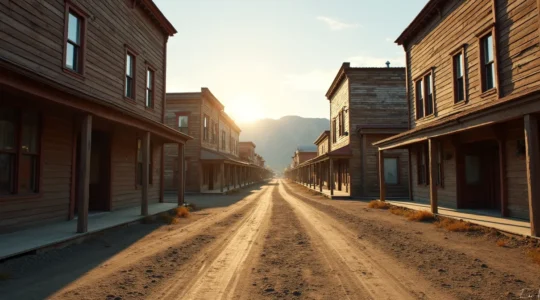
Reliving the Gold Rush: A Historical Guide to Dawson City
Dawson City isn’t a polished tourist town; it’s a raw frontier outpost where the bizarre spirit of the Gold Rush is still shockingly alive. The town’s rituals, from the infamous Sourtoe Cocktail to its historic casino, are active connections to…
Read more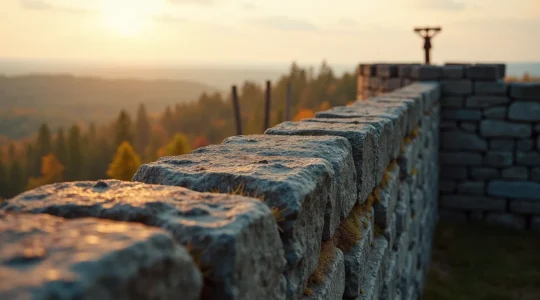
Beyond the Monuments: A Critical Guide to Canada’s Colonial Heritage
Contrary to the postcard image, Canada’s heritage sites are not a finished history but active landscapes where colonial narratives and Indigenous sovereignty are still in negotiation. Colonialism is an ongoing structure, not a closed historical chapter, with impacts visible in…
Read more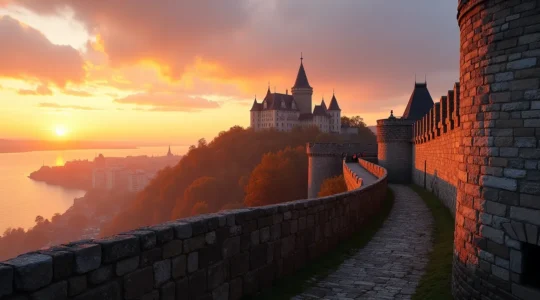
Exploring Quebec’s History: Beyond the Walls of Old Quebec
Most visitors think experiencing Quebec’s history means ticking off sites within the old city walls. This is a profound misunderstanding. The true, living soul of French North America is found not in static monuments, but by engaging with the rhythms…
Read more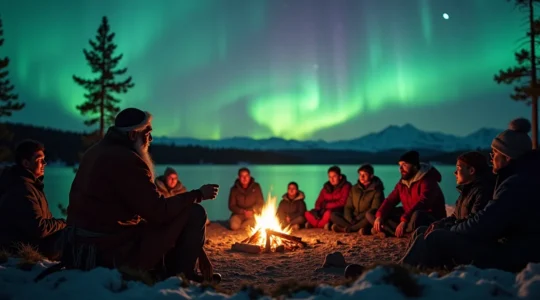
How to Respectfully Support Indigenous Tourism in Canada: A Traveller’s Guide
True support for Indigenous tourism goes beyond good intentions; it requires actively choosing experiences and products that directly empower communities and respect their sovereignty. Differentiate between “Indigenous-owned” and “Indigenous-themed” to prevent economic leakage from communities. Learn and follow cultural protocols,…
Read more