Festivals & events
Canada’s festival scene pulses with energy throughout every season, transforming cities and towns into vibrant celebration hubs. From the thunderous applause at open-air jazz concerts in Montreal to the dust-kicking excitement of rodeo competitions in Calgary, and the crisp mountain air surrounding world-class ski races, these gatherings represent more than entertainment—they’re cultural touchstones that define communities and create lasting memories for millions of attendees annually.
Whether you’re a first-time festival-goer or a seasoned event enthusiast, understanding the distinct characteristics of Canada’s major festival categories will transform your experience from merely attending to genuinely participating. The logistics of navigating massive music festivals differ dramatically from the cultural etiquette required at western heritage celebrations or the physical preparation needed for winter sports spectating. This foundation will help you approach each event type with confidence and maximize your enjoyment while avoiding common pitfalls that catch unprepared visitors off guard.
Understanding Canada’s Festival Landscape
Canadian festivals operate on a rhythm dictated by geography and climate, creating a year-round calendar of specialized events. Summer festivals dominate the cultural calendar from June through September, when warm weather enables outdoor concerts, street performances, and multi-day celebrations. Cities like Montreal, Toronto, and Vancouver host dozens of music festivals during these months, capitalizing on extended daylight hours and comfortable temperatures that allow attendees to explore urban spaces between performances.
Western Canada’s heritage festivals occupy a unique niche, with the Calgary Stampede representing the pinnacle of rodeo culture and western celebration. These events blend competitive sport with community tradition, offering experiences ranging from professional bull riding to volunteer-run pancake breakfasts that feed thousands of visitors. The cultural context differs significantly from music festivals—western wear becomes functional attire rather than costume, and understanding livestock competition adds depth to spectating.
Winter transforms the festival equation entirely. From November through March, ski resort towns and winter sports venues host competitions attracting international athletes and passionate spectators. These events require completely different preparation strategies focused on warmth, visibility, and accessing outdoor venues in challenging conditions. The atmosphere combines athletic appreciation with festival energy, creating unique opportunities for interaction with world-class competitors in relatively intimate settings compared to summer’s sprawling urban festivals.
Music Festival Mastery: Navigating Canada’s Concert Scene
Large-scale music festivals present organizational challenges that can overwhelm unprepared attendees. Understanding the venue layout, performance schedules, and resource management separates those who stumble through exhausted from those who maintain energy across multi-day events.
Free Versus Paid Performances: Budget Strategy
Major Canadian music festivals typically operate on a hybrid model, offering both ticketed premium stages and free public performances. Montreal’s jazz festival exemplifies this approach, with hundreds of free outdoor concerts occurring simultaneously with paid indoor shows featuring headline artists. Strategic planning allows budget-conscious attendees to experience world-class performances without purchasing premium tickets, though this requires flexibility in artist selection and acceptance of larger crowds at popular free shows.
Paid concerts guarantee entry, seating options, and intimate venues with superior acoustics. These performances often feature internationally recognized headliners in climate-controlled theaters or smaller clubs. The investment makes sense for dedicated fans of specific artists or those prioritizing comfort over spontaneity. Many experienced festival-goers adopt a mixed strategy, purchasing tickets for one or two must-see performances while filling remaining time with free programming.
Finding Prime Viewing Spots
Vantage point selection dramatically impacts your festival experience, particularly at free outdoor concerts where formal seating doesn’t exist. Arriving early provides obvious advantages, but understanding venue geography reveals strategic positions. Side areas often offer better sound quality than positions directly in front of stages, where speaker placement creates dead zones. Elevated terrain—even slight inclines—provides sightlines over crowds without requiring front-row arrival times.
Consider proximity to amenities when establishing your viewing position. Spots near water fountains, washroom facilities, and food vendors reduce the need for territory-abandoning trips that forfeit carefully chosen locations. For multi-stage festivals, positioning yourself between two popular stages allows quick transitions between performances rather than fighting through crowds for distant venue changes.
Managing Comfort and Logistics
Summer festival survival hinges on hydration and nutrition management. July temperatures in Canadian cities regularly exceed 30°C, and festival environments amplify heat through crowd density and limited shade. Carrying refillable water bottles proves essential—most festivals provide free water stations, though lines can extend during peak afternoon hours. Dehydration symptoms emerge subtly through fatigue and irritability before progressing to serious health concerns.
Late-night eating presents challenges as most restaurants close before festivals end, particularly during multi-day events when performances extend past midnight. Researching 24-hour establishments or late-night food trucks near festival perimeters prevents desperate searches when hunger strikes after performances. Montreal’s downtown core offers numerous options serving until 3 AM during festival season, while other cities may require more planning. Packing high-protein snacks provides insurance against limited late-night availability.
Western Heritage Celebrations: Rodeo Culture and Community
Western festivals operate on fundamentally different cultural principles than music events, emphasizing community participation and traditional values alongside entertainment. The Calgary Stampede exemplifies this approach, billing itself as the “Greatest Outdoor Show on Earth” while maintaining deep roots in agricultural heritage and cowboy culture.
Dressing Appropriately for Western Events
Western wear serves functional purposes beyond aesthetic tradition. Cowboy boots and hats represent practical gear developed for outdoor work, and wearing them demonstrates cultural respect while providing genuine benefits. Boots protect feet in crowded environments where getting stepped on occurs regularly, while wide-brimmed hats offer sun protection during all-day outdoor events. Denim jeans and pearl-snap shirts complete authentic outfits, though visitors shouldn’t feel obligated to purchase full western wardrobes—clean jeans and comfortable closed-toe shoes meet minimum standards.
Avoid costume-shop cowboy outfits or Halloween-style interpretations that can appear disrespectful to communities celebrating genuine heritage. If choosing to dress western, opt for quality basics from western wear retailers rather than theatrical versions. Many attendees wear regular casual clothing without issue—the key is respecting the cultural context rather than treating the event as a costume party.
Navigating Rodeo Events and Competitions
Understanding rodeo disciplines enhances appreciation for the athletic skill and danger involved. Events divide into rough stock competitions (bull riding, saddle bronc, bareback riding) and timed events (barrel racing, steer wrestling, tie-down roping). Each requires specialized skills developed over years of practice, and recognizing the technical difficulty helps spectators appreciate performances beyond simple entertainment.
Scoring systems vary by event—rough stock competitions judge both rider performance and animal bucking quality, while timed events prioritize speed and precision. First-time rodeo attendees often underestimate the genuine danger involved; injuries occur regularly, and the casual atmosphere shouldn’t obscure the serious athletic risk competitors accept. Watching from grandstand seating provides safety and sightlines, though grounds passes allow closer interaction with participants between events.
Community Traditions: Pancake Breakfasts and Social Events
Western festivals emphasize community hospitality through traditions like free pancake breakfasts, where volunteers serve thousands of meals daily without charge. These events occur throughout host cities, often starting at sunrise and continuing through mid-morning. Finding them requires minimal research—festival apps and local tourism websites publish daily locations and times. Arriving early avoids peak crowds, though lines move efficiently thanks to practiced volunteer crews.
Evening tent parties and music venues create social atmospheres distinct from formal concerts. These spaces encourage mingling and dancing rather than passive observation, with country and western music dominating playlists. Cover charges typically remain low, and dress codes stay casual. The Elbow River Camp and similar festival satellite locations extend the celebration beyond official grounds, offering camping, live music, and community atmosphere for visitors seeking immersive multi-day experiences.
Winter Sports Spectating: Cold-Weather Festival Experiences
Watching winter sports competitions combines athletic appreciation with unique logistical challenges. Canadian ski resorts regularly host World Cup events and other international competitions, drawing passionate fans into mountain environments requiring specialized preparation.
Accessing Competition Areas and Viewing Positions
Finish line areas offer the most dramatic viewing but also attract largest crowds. Arriving several hours before race start times secures prime positions, though this requires extended cold exposure. Alternative viewing locations along race courses provide different perspectives—technical sections showcase athlete skill, while speed sections emphasize the raw power of downhill skiing or luge competition. Many spectators move between positions throughout competition days, trading optimal views for warmth breaks in heated hospitality areas.
Understanding race disciplines helps identify ideal viewing spots. Downhill skiing features single runs exceeding two minutes, allowing spectators time to watch multiple athletes from one position. Slalom and giant slalom require multiple runs, with standings determined by combined times—this creates strategic viewing decisions between watching technical precision on-course or monitoring leaderboards at finish areas.
Dressing for Standing Still in Subzero Temperatures
Winter sports spectating differs dramatically from participating in winter activities. Standing stationary for hours in temperatures ranging from -10°C to -30°C requires layering strategies beyond typical ski clothing. Insulated boots rated for extreme cold prove essential—regular winter boots insufficient for multi-hour outdoor exposure can lead to frostbite risk. Hand and foot warmers provide supplemental heat, though proper footwear remains the foundation.
Layer systems should include thermal base layers, insulating mid-layers, and windproof outer shells. Bring extra layers beyond what seems necessary—carrying a spare fleece in a backpack weighs little but provides insurance against underestimating cold exposure. Face protection through balaclavas or ski masks becomes necessary during extended outdoor periods, particularly during windy conditions that amplify cold through wind chill factors.
Meeting athletes represents a unique advantage of winter sports festivals compared to summer equivalents. The relatively intimate scale of competitions and athlete accessibility between runs creates opportunities for autographs and brief conversations. Respecting training schedules and competition focus remains important—approaching athletes immediately before races is inappropriate, while post-competition periods often welcome fan interaction. The festival atmosphere surrounding these events creates celebratory energy distinct from purely sporting competitions, with local communities embracing visitors and creating welcoming environments for international spectators.
Universal Festival Survival Strategies
Certain principles apply across all festival types, regardless of season or focus. Advance planning separates smooth experiences from chaotic scrambling—researching transportation options, accommodation locations, and festival layouts before arrival prevents wasted time and frustration. Many festivals offer official apps providing real-time schedule updates, venue maps, and crowd alerts that prove invaluable for navigation.
Budget management extends beyond ticket prices to encompass food, beverages, transportation, and accommodation. Festival vendors typically charge premium prices, so calculating daily spending limits prevents financial stress mid-event. Setting realistic expectations about costs and identifying free or low-cost elements within each festival type allows budget-conscious attendance without sacrificing enjoyment.
Physical preparation matters more than most first-time attendees realize. Multi-day festivals require stamina for extended walking, standing, and irregular meal schedules. Building walking endurance before attending prevents painful lessons about comfortable footwear and pacing. Sleep schedules inevitably suffer during festivals—accepting fatigue as part of the experience rather than fighting it reduces stress and allows fuller participation in late-night programming and early-morning events.
Festivals represent concentrated opportunities to engage with Canadian culture across its diverse expressions—from artistic performances to athletic excellence to community traditions. Approaching each event type with appropriate preparation, realistic expectations, and genuine curiosity transforms attendance from passive consumption to active participation. The memories created during these celebrations often outlast the events themselves, forming stories shared for years and frequently inspiring return visits that become personal traditions across decades of festival-going.
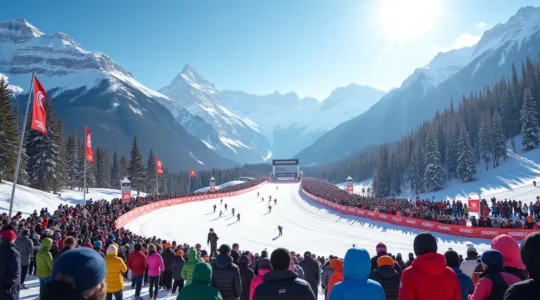
Spectator Skiing: How to Watch the World Cup at Lake Louise
In summary: Spectating the race is free, but a Parks Canada Discovery Pass is mandatory for your vehicle to enter Banff National Park. Dressing in strategic layers is non-negotiable; insulated, waterproof boots are your single most critical piece of gear…
Read more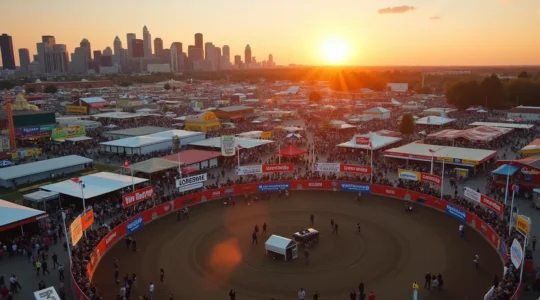
Cowboy for a Week: Immersing Yourself in Calgary Stampede Culture
In summary: Dress authentically by choosing a hat OR boots, not both, and mixing them with quality denim to avoid the “costume” look. Navigate the city-wide free pancake breakfasts using online maps and arriving before 8 AM for the best…
Read more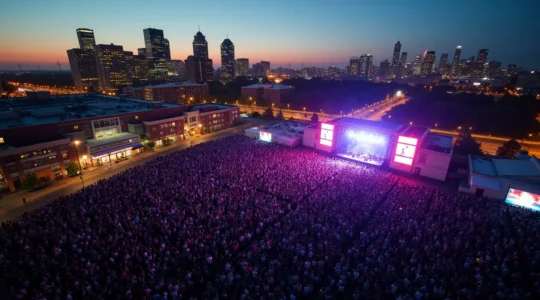
Surviving the Crowd: A Local’s Guide to the Montreal Jazz Festival
In summary: To find authentic jazz, skip the main stage crowds and focus on smaller, sponsored stages like Scène Loto-Québec or free indoor shows at Le Studio TD. Beat the main stage crush by finding “acoustic sweet spots” on the…
Read more