Food & wine
Canada’s culinary landscape tells the story of a nation shaped by Indigenous knowledge, European settlement, and waves of immigration from every corner of the globe. For travelers, this translates into extraordinary diversity: you can taste authentic Pouding Chômeur in a Quebec village, shuck fresh oysters on a Pacific coast dock, and explore Indigenous fine dining that reimagines ancient ingredients through modern techniques—all within a single trip.
Understanding Canadian food and wine means recognizing how geography, climate, and culture intersect. The country’s vast territory creates distinct regional identities, from the Okanagan Valley’s sun-drenched vineyards to the Maritime provinces’ legendary seafood traditions. This foundation will help you navigate farmers’ markets, choose sustainable restaurants, time your visits around seasonal harvests, and recognize the authentic experiences that make Canadian culinary tourism genuinely memorable.
What Makes Canadian Food Culture Unique for Travelers?
Canadian cuisine defies simple categorization because it reflects the country’s multicultural reality. Unlike nations with centuries-old unified culinary traditions, Canada’s food identity emerges from layered influences: Indigenous foodways that predate European contact, French and British colonial cooking, and ongoing contributions from Chinese, Italian, Ukrainian, Caribbean, and countless other immigrant communities.
This complexity creates fascinating opportunities for food-focused travelers. In neighborhoods like Toronto’s Kensington Market or Vancouver’s Commercial Drive, you’ll encounter genuine multicultural food scenes where empanada stands operate beside Vietnamese banh mi shops and Polish delis. These aren’t tourist recreations—they’re living communities where food serves as both cultural anchor and creative expression.
The seasonal nature of Canadian food culture also shapes the traveler experience. Harsh winters and short growing seasons have historically made preservation techniques essential, giving rise to specialties like smoked fish, root vegetable dishes, and fruit preserves. Today, this translates into a strong farm-to-table ethos, with restaurants and agritourism operations celebrating the brief abundance of summer and fall. Understanding these seasonal rhythms helps you plan visits around spot prawn season in British Columbia, fall wine harvests in Ontario, or cranberry bog tours in Quebec.
Hunting for Iconic Canadian Sweet Treats
No exploration of Canadian food culture is complete without tasting the nation’s beloved desserts and pastries. These treats aren’t just sugar fixes—they’re regional markers with passionate local followings and surprisingly specific preparation standards.
Butter Tarts: The Great National Debate
The butter tart sparks fierce loyalty among Canadians. This small pastry shell filled with butter, sugar, and eggs seems simple until you encounter the fundamental question: raisins or no raisins? Some purists insist on bare filling, others demand pecans, while raisin advocates defend tradition. The filling’s texture matters too—runny versus firm creates regional and even bakery-specific identities. Ontario’s “Butter Tart Trail” links dozens of bakeries, each claiming their unique approach produces the definitive version.
Regional Specialties Worth Seeking
The Nanaimo bar, originating from the Vancouver Island city, layers chocolate ganache, custard buttercream, and a coconut-graham base—no baking required. BeaverTails, despite the name, are hand-stretched fried dough pastries served hot with toppings like cinnamon sugar or Nutella, found at winter festivals and tourist areas nationwide. In Saskatchewan, Saskatoon berry pie showcases the prairie’s indigenous berries, with a flavor profile somewhere between blueberries and almonds. Quebec’s Pouding Chômeur (“poor man’s pudding”) emerged during the Depression: cake batter swimming in hot syrup, creating a humble yet indulgent dessert.
Finding authentic versions requires asking locals for recommendations rather than defaulting to tourist-district bakeries. Farmer’s markets, small-town bakeries, and community events often yield the most memorable examples, made by people with generational recipes and strong opinions about proper technique.
Experiencing Indigenous Culinary Traditions
Indigenous cuisine represents Canada’s oldest food culture, yet until recently remained largely invisible in mainstream culinary tourism. This is changing as Indigenous chefs reclaim traditional ingredients and cooking methods, creating fine dining experiences that challenge settler-colonial food narratives while honoring ancestral knowledge.
Understanding the Three Sisters and Traditional Ingredients
The “Three Sisters”—corn, beans, and squash—form the agricultural foundation of many Indigenous nations, particularly in Eastern Canada. These crops grow symbiotically: corn stalks support climbing beans, while squash leaves shade the soil and deter pests. This intercropping system demonstrates sophisticated agricultural knowledge that predates European contact by thousands of years.
Modern Indigenous restaurants reinterpret these staples alongside ingredients like wild rice (actually an aquatic grass native to the Great Lakes region), fiddleheads, spruce tips, sea vegetables, and game meats including bison, elk, and venison. Foraging remains central to many Indigenous food traditions, with seasonal harvests of mushrooms, berries, and medicinal plants connecting contemporary cooking to land-based practices.
Finding Authentic Indigenous Dining Experiences
Identifying genuine Indigenous restaurants requires a bit of research. Look for establishments that clearly identify their chef’s Indigenous heritage and nation affiliation, use traditional ingredients sourced from Indigenous suppliers when possible, and often incorporate storytelling or educational elements about the food’s cultural context. These restaurants typically emphasize sustainable practices, including ethical sourcing of game meats and attention to seasonal availability.
Wine pairings at Indigenous fine dining establishments often feature Canadian wines, creating interesting dialogues between Indigenous ingredients and more recently established wine regions. The contrast between ancient foodways and contemporary viticulture highlights Canada’s layered culinary evolution.
Navigating Sustainable Seafood by Season
Canada’s three ocean coastlines and abundant freshwater systems make seafood central to many regional cuisines. For travelers, understanding seasonal availability and sustainability certifications enhances both the eating experience and environmental responsibility.
The Ocean Wise Symbol and Sustainable Choices
The Ocean Wise program, developed by the Vancouver Aquarium, helps diners identify sustainable seafood options. Restaurants displaying the Ocean Wise symbol have had their menu items vetted against criteria including species health, fishing methods, and environmental impact. This certification system makes sustainable choices easier for travelers unfamiliar with local species and fishing practices.
Sustainable doesn’t mean sacrificing quality or flavor. British Columbia’s spot prawn season (typically late spring) draws enthusiastic crowds to docks and restaurants for these sweet, delicate prawns harvested using trap methods that minimize bycatch. Atlantic lobster, when sourced from well-managed fisheries, represents another sustainable choice, though timing and origin matter significantly.
Seasonal Timing and Regional Specialties
Oyster enthusiasts follow the traditional “R months” rule (September through April), when cooler water temperatures produce firmer, more flavorful oysters. Canada’s coastal regions produce distinctive oyster varieties—Malpeque from Prince Edward Island, Fanny Bay from British Columbia—each reflecting their specific growing waters’ mineral content and salinity.
Learning to shuck oysters safely adds another dimension to the seafood experience. Many coastal restaurants and seafood markets offer demonstrations, teaching the proper knife technique and angle to open shells without injury. Some travelers visit during seafood festivals, where experts demonstrate techniques while explaining the differences between oyster varieties.
Exploring Canada’s Wine Regions and Tasting Rooms
Canadian wine production surprises many travelers who assume the climate too harsh for viticulture. In reality, the country produces world-class wines, particularly from regions benefiting from specific microclimates and geographical features.
Understanding Appellations and Wine Laws
Canada’s Vintners Quality Alliance (VQA) system functions similarly to European appellation systems, guaranteeing that wines meet specific quality standards and contain grapes grown entirely within designated regions. VQA wines from the Niagara Peninsula, Okanagan Valley, or other recognized areas assure travelers they’re tasting authentic regional products rather than wines blended from imported bulk juice.
The appellation system also protects specific wine styles. Icewine, Canada’s signature dessert wine, requires grapes to freeze naturally on the vine and be harvested at specific temperatures. VQA certification ensures Icewine meets these exacting standards—important because inferior imitations exist in tourist markets.
Planning Winery Visits Responsibly
Wine touring requires planning around transportation. Many visitors debate hiring a driver versus designating a non-drinking member of their group. Professional wine tour operators offer the advantage of insider knowledge about smaller producers and optimal tasting routes, while designated drivers limit spontaneity. Some regions now offer bike-friendly routes between wineries, though this only works for flat terrain and limited distances.
Shipping wine across provinces presents another consideration. Canada’s interprovincial liquor regulations vary significantly, with some provinces restricting or heavily taxing wine shipped from other provinces. Many wineries navigate these rules for customers, but understanding the limitations before purchasing cases prevents disappointment. Visiting during fall harvest season offers unique experiences—crush observations, barrel tastings, and harvest dinners—though tasting rooms become more crowded during this peak period.
Discovering Agritourism and Farm-to-Table Experiences
Agritourism connects travelers directly with food producers, offering insights into farming practices, seasonal rhythms, and regional specialties. These experiences range from self-guided farm stand visits to structured tours linking multiple producers.
Quebec’s Charlevoix Flavour Trail exemplifies organized agritourism, connecting farms, cheese makers, cideries, and restaurants along a scenic route northeast of Quebec City. Travelers can assemble their own itineraries, visiting producers that interest them most, while supporting small-scale agriculture and artisan food production. British Columbia’s Okanagan Valley offers similar experiences, with u-pick orchards inviting visitors to harvest their own cherries, peaches, or apples during summer and fall.
Cranberry bogs in Quebec and British Columbia open for harvest tours, demonstrating the flooding technique that loosens berries for collection. Watching berries float to the surface in vast red carpets creates memorable photo opportunities while explaining the specialized farming required for this tart fruit.
Honor-system farm stands represent a uniquely rural Canadian experience. These unstaffed roadside stands display fresh produce, eggs, or preserves with a cash box for payment. Travelers appreciate the trust-based system while accessing the freshest possible ingredients. The practice works because rural communities maintain social accountability—everyone knows who operates each stand.
Family-friendly wineries and agritourism operations increasingly recognize that travelers with children need different amenities. Properties offering picnic areas, farm animals, or child-appropriate activities make wine country accessible to families rather than exclusively adult groups.
Canadian food and wine tourism rewards curiosity and seasonal awareness. The country’s regional diversity means no single trip can capture everything, but understanding these foundational elements—iconic treats, Indigenous traditions, sustainable seafood, wine culture, and agritourism—provides the framework for meaningful culinary exploration. Whether you’re timing a visit around spot prawn season, seeking the perfect butter tart, or discovering Indigenous fine dining, approaching Canadian food culture with respect for its complexity and regional specificity transforms simple eating into genuine cultural exchange.

Sipping the Valley: A Strategic Guide to Okanagan Wine Touring Logistics
A successful Okanagan wine tour hinges less on which wineries you visit and more on mastering the logistical framework behind your trip. Transportation choices like designated drivers vs. tours involve significant trade-offs in cost, flexibility, and experience. Complex interprovincial laws…
Read more
The Real Agritourism Trail: Meeting the Farmers and Fishers Who Feed Canada
Canadian agritourism is more than just buying fresh food; it’s about understanding the complex systems of trust, regulation, and terroir that bring it to your plate. Regional designations like Quebec’s IGP aren’t just labels; they are legal frameworks preserving heritage…
Read more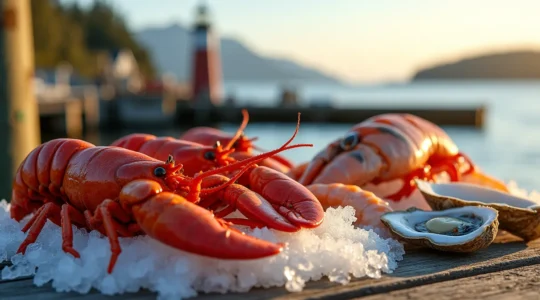
Eating the Ocean: Your Insider’s Guide to Canada’s Most Coveted Seasonal Seafood
Navigating a Canadian fish market can feel overwhelming, with fleeting seasons and confusing sustainability labels. The key isn’t just knowing *what* to eat, but *why* it’s at its peak at a specific moment. This guide moves beyond simple lists, delving…
Read more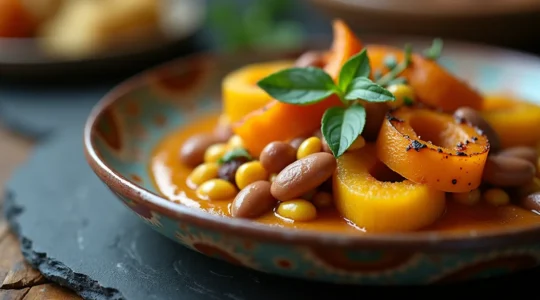
Beyond Bannock: The Rise of Modern Indigenous Cuisine
Modern Indigenous cuisine is not a simple revival of old recipes; it is a powerful economic and cultural movement actively defining Canada’s future. It is built on the principle of food sovereignty, which involves reclaiming ancestral ingredients and sustainable land…
Read more
The Sweet Tooth Trail: Hunting for Canada’s Best Sugar Fixes
Canada’s best desserts are more than just recipes; they are delicious destinations defined by local rivalries, unique histories, and the land itself. Iconic treats like the Ontario Butter Tart and the Nanaimo Bar have official “trails” that food lovers can…
Read more
Eating Your Way Through Kensington Market: A Foodie’s Guide
The secret to conquering Kensington Market isn’t just knowing *what* to eat, but understanding *how* and *why* the neighborhood’s fiercely independent soul shapes every bite. Focus on timing: Visit during Pedestrian Sundays for the full experience, but use a strategy…
Read more