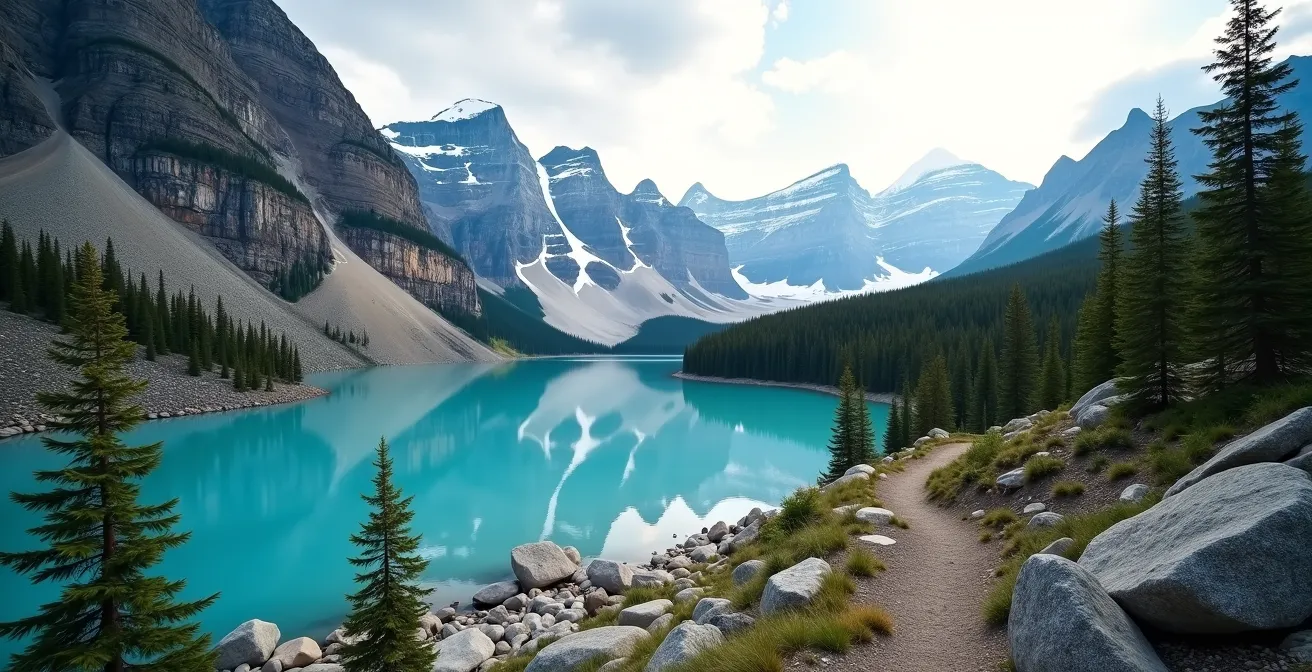
In summary:
- Your Parks Canada Discovery Pass is not valid in Provincial Parks; this is a common and costly error.
- Strict rules on dogs, drones, and seasonal closures exist to protect wildlife and ensure visitor safety, not just to create bureaucracy.
- Booking popular campsites requires a specific tech strategy on launch day, as demand far exceeds supply.
- Avoiding crowds in iconic parks like Banff and Jasper is possible by reversing your itinerary and visiting popular spots at unconventional times.
The feeling is familiar for many first-time visitors: you pull up to a national park gate, a line of cars behind you, and face a dizzying array of questions about passes, fees, and rules. It can feel like navigating a complex bureaucracy just to enjoy nature. Many guides will give you the standard advice to “buy a Discovery Pass” and “book early,” but this barely scratches the surface. This advice often fails to explain the fundamental structure of Canada’s park systems, leading to frustrating and expensive mistakes.
As a former park ranger, I’ve seen these moments of confusion countless times. The key to a seamless park experience isn’t just knowing the rules, but understanding the ‘why’ behind them. The system isn’t designed to be difficult; it’s designed to protect some of the most sensitive ecosystems and incredible wildlife on the planet while managing millions of visitors. This guide moves beyond the surface-level tips. We’ll break down the operational reality of the Parks Canada system, clarifying the logic behind the regulations and providing insider strategies to help you navigate it with confidence.
This article will equip you with the knowledge to handle everything from pass selection and pet policies to avoiding peak-season crowds. We will explore the critical distinctions between park types, the reasoning behind strict equipment rules, seasonal facility changes, and proven methods for securing those coveted campsites. Consider this your briefing to unlock a smoother, more enjoyable adventure in Canada’s national treasures.
Summary: A Guide to Navigating Canada’s National Parks System
- Does the Discovery Pass Cover Provincial Parks? The $100 Mistake
- Where Can You Walk Your Dog in National Parks Without a Fine?
- Which National Park Facilities Close After Thanksgiving?
- Why Flying a Drone in a National Park Costs You a $3,000 Fine
- Are the “Xplorers” Programs for Kids Worth the Time?
- Why the Parks Canada Discovery Pass Saves You Over $150 CAD on a Grand Tour
- Why You Fail to Book Parks Canada Campsites (And How to Fix It)
- How to Visit Banff and Jasper Without Getting Stuck in Crowds?
Does the Discovery Pass Cover Provincial Parks? The $100 Mistake
This is single-handedly the most common and costly misconception visitors face. The answer is an emphatic no. The Parks Canada Discovery Pass grants access to national parks and national historic sites, which are managed by the federal government. Provincial and Territorial Parks, such as those in Ontario, British Columbia, or Alberta’s Kananaskis Country, are managed by their respective provincial governments and require separate permits.
The confusion is understandable, but the “system logic” is based on jurisdiction. Think of it like a city bus pass not working on a regional train. They are separate systems with separate funding. Arriving at a provincial park like Algonquin in Ontario or Garibaldi in B.C. with only a Discovery Pass will result in you having to pay a separate day-use fee, which can quickly add up. For a multi-province road trip, you may need a “stack” of passes. A recent 2025 guide on Canadian park fees notes that a family Discovery Pass costs CAD$151.25 for access to over 80 national sites, while each province has its own fee structure.
For example, a trip through the Rockies often involves visiting Banff National Park (federal), but also driving through or hiking in Kananaskis Country (Alberta provincial), which requires its own Kananaskis Conservation Pass. Failing to have the right pass for the right park can lead to fines or being turned away at the gate. Always verify the managing body of the park you plan to visit.
Where Can You Walk Your Dog in National Parks Without a Fine?
Bringing a furry companion on your adventure is a great joy, but it comes with significant responsibilities and restrictions inside national parks. The core reason for these rules is simple: wildlife protection and public safety. Dogs, even on-leash, can be perceived as threats by animals like elk, bears, and caribou, causing them immense stress or triggering aggressive defensive behaviour. Furthermore, dog waste can introduce foreign parasites and diseases into the ecosystem.
Parks Canada pet policies are not one-size-fits-all; they vary significantly between parks and even within different areas of a single park. Generally, dogs must be on a leash at all times and are restricted to frontcountry campgrounds, picnic areas, and paved or designated townsite trails. Backcountry trails, sensitive ecological areas, and most beaches are often off-limits. For example, popular hikes like the Plain of Six Glaciers in Banff or sections of the Skyline Trail in Jasper strictly prohibit dogs to protect fragile habitats for grizzly bears and caribou.
Before you go, the most crucial step is to check the specific park’s website for its detailed pet policy. Gateway towns like Canmore (near Banff) or Jasper townsite offer pet-sitting services, which are an excellent option for days when you want to tackle a dog-restricted trail. Always be prepared with waste bags and proof of rabies vaccination, as rangers can issue substantial fines for violations.
Which National Park Facilities Close After Thanksgiving?
Many visitors planning an autumn trip are surprised to find that Canadian Thanksgiving (the second Monday in October) marks a major operational shift in the national parks. After this long weekend, many facilities transition to their winter operating season, which often means reduced services or complete closures. This isn’t arbitrary; it’s a practical response to dropping temperatures, heavy snowfall, and significantly lower visitor numbers, allowing for reduced staffing and maintenance.
What can you expect to be closed? Many frontcountry and backcountry campgrounds, visitor centres, and secondary roads (like Moraine Lake Road in Banff) shut down for the season. Water and sani-dump stations are often turned off to prevent pipes from freezing. This means you must be more self-sufficient. While some year-round campgrounds exist, like Tunnel Mountain in Banff, they typically offer limited services. The trade-off for this inconvenience is a park with far fewer people and a beautifully stark, quiet landscape.
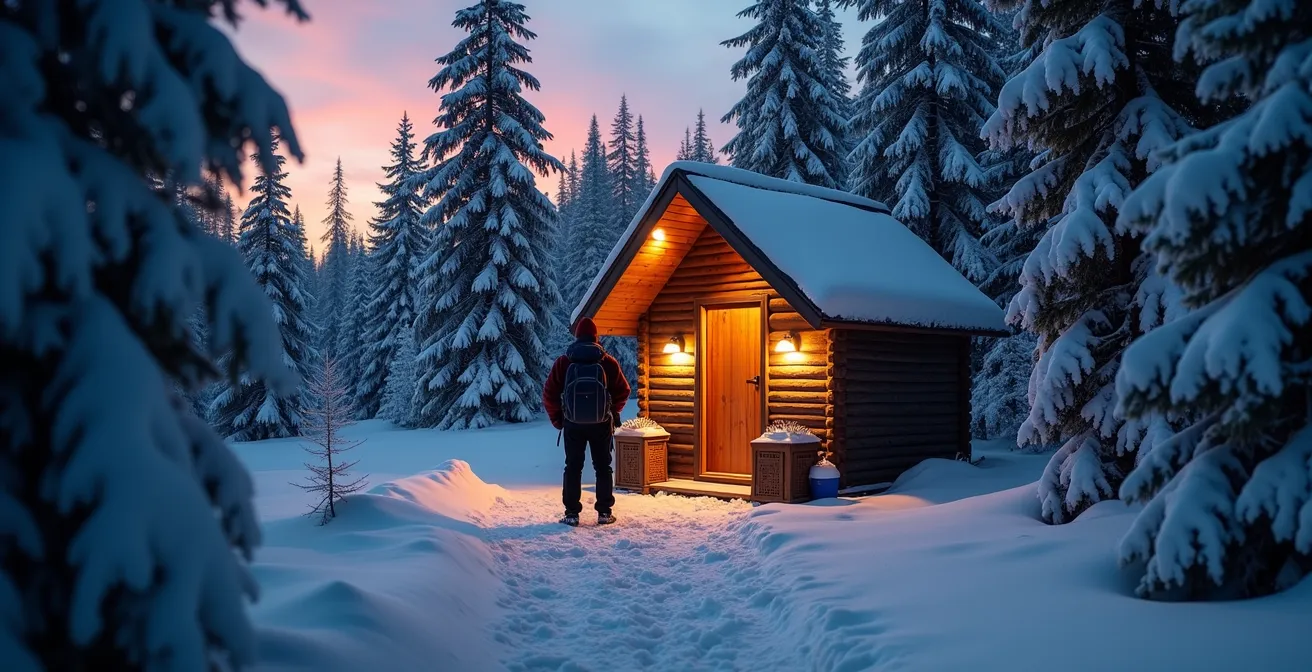
As the image above suggests, some unique accommodations like the oTENTik shelters remain available and offer a cozy base for winter exploration. However, access requires careful planning. You should carry a portable water filtration system, have offline maps downloaded, and consider a satellite communication device for remote areas like the Icefields Parkway where cell service is non-existent. On the bright side, Parks Canada sometimes offers free admission during parts of the winter; their 2025-2026 plan indicates that from December 12, 2025, to January 15, 2026, admission is free, though services will be minimal.
Why Flying a Drone in a National Park Costs You a $3,000 Fine
For content creators and hobbyists, the temptation to capture stunning aerial footage of places like Lake Louise or Maligne Canyon is immense. However, flying a recreational or commercial drone in any Canadian national park is strictly prohibited without a special Restricted Activity Permit, which is rarely granted. The penalty for violating this rule is severe, with fines that can reach up to $3,000 CAD. The “why” behind this strict rule is twofold: protecting wildlife and preserving the visitor experience.
From a wildlife perspective, the high-pitched noise and unfamiliar presence of a drone can cause significant stress to animals. It can disrupt nesting birds, cause herds of elk or bighorn sheep to scatter, and create dangerous situations with large predators like grizzly bears. From a visitor experience standpoint, the natural quiet of the parks is a protected resource. The buzzing sound of a drone shatters the tranquility that most people come to find. A common point of confusion is licensing, as highlighted by Parks Canada officials.
Transport Canada drone licenses do not grant permission to fly in National Parks – this is a separate Parks Canada regulation that many commercial pilots misunderstand.
– Parks Canada Enforcement, National Parks Drone Policy Guidelines
This clarification is critical: your government-issued drone pilot certificate does not supersede Parks Canada’s authority over its land. If you need that epic aerial shot, there are legal alternatives. Many provincial parks (like those in Kananaskis Country), Crown land adjacent to national parks, or viewpoints along highways outside park boundaries (like the Sea-to-Sky Highway near Pacific Rim) have different, often more permissive, rules. Always research the specific land-use regulations before launching.
Are the “Xplorers” Programs for Kids Worth the Time?
For families traveling with children, the Parks Canada Xplorers program is an absolute gem and, in my opinion, unequivocally worth the time. It’s far more than a simple scavenger hunt; it’s a brilliantly designed educational tool that transforms a standard park visit into an engaging and memorable quest for kids, typically aged 6 to 11. Upon arrival at a participating visitor centre, children receive a free activity booklet filled with challenges tailored to that specific park’s ecology, history, and wildlife.
The real value lies in how the program encourages observation and interaction. Tasks might include identifying different types of trees, spotting specific birds, or learning a few words in a local Indigenous language. Completing these activities often requires families to slow down, look closer, and engage with their surroundings on a deeper level. Once a certain number of challenges are completed, children present their booklet to a park interpreter to discuss what they’ve learned and receive a collectible souvenir—a pin, dog tag, or patch unique to that park. This interaction with an interpreter is often a highlight, as they share behind-the-scenes stories and knowledge.
This table compares the Parks Canada Xplorers program with other youth initiatives, highlighting its unique focus on hands-on learning within a national context.
| Program | Age Range | Duration | Rewards | Educational Focus |
|---|---|---|---|---|
| Parks Canada Xplorers | 6-11 years | 2-3 hours | Collectible souvenir & certificate | Wildlife, conservation, Indigenous culture |
| Ontario Parks Discovery | All ages | Self-paced | Digital badges | Ecology, outdoor skills |
| Alberta Junior Forest Rangers | 12-17 years | Full summer program | Work experience certificate | Forest management, career skills |
Why the Parks Canada Discovery Pass Saves You Over $150 CAD on a Grand Tour
While the initial cost of a Parks Canada Discovery Pass might seem steep, it represents significant savings for anyone planning to visit multiple national parks or stay for more than a week. The math is simple: daily admission fees are charged per person or per family, whereas the Discovery Pass provides unlimited entry for a full year. According to calculations from the 2025 Parks Canada fee guide, a family pass pays for itself in just 7 days when compared to the daily adult fee of around $11.
For a typical family of four or a group traveling in one vehicle, the savings start immediately. The daily family/group entry fee is often over $22. If you plan a two-week “Grand Tour” of the Rocky Mountain parks (Banff, Jasper, Yoho, Kootenay, Waterton Lakes), you could easily spend over $300 on daily fees alone. The family Discovery Pass, at $151.25, cuts that cost by more than half. The pass also includes admission to National Historic Sites like the Cave and Basin in Banff, adding even more value.
The table below, based on typical fee structures, illustrates the break-even point and potential savings for different group types over a one-week period.
| Group Type | Daily Fee Cost (7 days) | Discovery Pass Cost | Savings |
|---|---|---|---|
| Solo Adult | $77 | $75.25 | Breaks even at 7 days |
| Couple | $154 | $151.25 (Family) | Saves after 7 days |
| Family of 4 | $154 | $151.25 | Immediate savings |
| Group of 7 | $269.50 | $151.25 | Saves $118.25 |
To maximize the pass’s value, use it for spontaneous stops at viewpoints that normally require a day pass, take advantage of faster entry lanes at busy park gates, and remember to visit multiple parks or sites in a single day without incurring extra charges. Just remember the one crucial rule: the pass must be signed, and the cardholder must be present in the vehicle.
Why You Fail to Book Parks Canada Campsites (And How to Fix It)
If you’ve ever tried to book a campsite in Banff or Jasper for a July weekend at 8:01 AM on launch day, you know the feeling of utter defeat. Within seconds, every site appears to be gone. You didn’t fail because you were slow; you failed because you were competing against thousands of other hopefuls and automated scripts in a system of extreme demand concentration. The “operational reality” is that for iconic campgrounds, there are hundreds of people vying for every single available spot at the exact same moment.
To succeed, you need to treat booking day like a tactical operation. Simply showing up on the website at 8:00 AM is not enough. You need an “insider’s edge” by preparing your technology and your strategy in advance. This means having your account created, payment information pre-loaded, and direct booking links for your desired campgrounds ready to go in a spreadsheet to bypass site navigation. Using multiple devices or browsers simultaneously can also increase your odds.
Even if you fail on launch day, there is another strategy: monitoring for cancellations. Many sites become available 2-3 days before a given date as people’s plans change. Manually refreshing the page can work, but third-party services like Campnab automate this process, sending you an alert the second a spot at your desired campground opens up. This can be a game-changer for securing last-minute bookings at otherwise “full” locations.
Your Action Plan: Advanced Booking Day Tech Strategy
- Account Prep: Create your Parks Canada account weeks in advance and pre-load your credit card information to save critical seconds during checkout.
- Multi-Device Attack: Use multiple browsers and/or devices (a laptop and a phone) simultaneously to try for your top choices.
- Direct Link Spreadsheet: Prepare a spreadsheet with the direct booking links to the specific campgrounds you want, allowing you to bypass the main navigation menu.
- Early Login: Log in to your account at least 15 minutes before the launch time to ensure your session doesn’t time out at the critical moment.
- Backup Plan: Have a prioritized list of at least three backup campground choices ready in case your first choice is instantly booked.
Key Takeaways
- Jurisdiction is Key: A Parks Canada Discovery Pass is for federal sites only; provincial parks (like those in Kananaskis or Ontario) always require a separate pass.
- Rules Have a Reason: Strict regulations on dogs, drones, and food storage are not arbitrary—they are essential for protecting Canada’s sensitive wildlife and ensuring visitor safety.
- Planning is Non-Negotiable: Success in visiting Canada’s popular national parks depends on strategic planning, from using advanced tech to book campsites to adopting unconventional itineraries to avoid crowds.
How to Visit Banff and Jasper Without Getting Stuck in Crowds?
The iconic images of turquoise lakes and majestic peaks draw millions to Banff and Jasper each summer. Unfortunately, this means you’re often sharing that beauty with thousands of other people. Visitor pattern analysis reveals that over 60% of daily visitors arrive at popular spots between 10 AM and 3 PM. The secret to a more serene experience is to deliberately operate outside this peak window.
The most effective strategy is the “Reverse Itinerary.” Most visitors start their day close to their hotel in Banff or Jasper townsite and work their way outwards, arriving at the furthest points like Maligne Lake or the Icefields Parkway mid-day, exactly when crowds are at their worst. To beat them, do the opposite. Start your day with a pre-dawn drive to the furthest point on your list. Arrive at Maligne Lake for sunrise, and you’ll be rewarded with glassy water, misty mountain views, and profound quiet, often shared with only a handful of photographers.

As you work your way back towards the townsite throughout the day, you’ll consistently be moving against the main flow of traffic. You’ll arrive at popular spots like Maligne Canyon or Johnston Canyon in the late afternoon or evening, just as the tour buses are leaving. Another excellent tactic is to visit major attractions like Lake Louise during the main lunch hour (12 PM – 1:30 PM) when many people retreat to restaurants. Using local transit like the Roam bus in Banff also helps you bypass the notorious parking nightmares at popular trailheads.
Now that you’re equipped with an insider’s understanding of the Parks Canada system, the final step is to apply this knowledge. Plan your trip with confidence, knowing you can navigate the rules, save money on fees, and create a more peaceful and rewarding experience in Canada’s spectacular national parks.