Must-see destinations
Canada’s vast landscape presents travellers with an extraordinary challenge: determining which destinations truly deserve the “must-see” designation. From UNESCO World Heritage sites that preserve centuries of cultural significance to breathtaking scenic highways that wind through untouched wilderness, the country offers experiences that range from profound cultural immersion to raw natural wonder. Understanding what elevates a location from merely interesting to genuinely essential requires examining both the intrinsic qualities of these places and how to experience them meaningfully.
The destinations that consistently earn must-see status share common characteristics: they offer experiences unavailable elsewhere, they reveal something fundamental about Canada’s natural or cultural heritage, and they create lasting impressions that transcend typical tourism. This exploration examines both the cultural treasures recognized by international conservation bodies and the iconic routes that showcase Canada’s unparalleled natural beauty, providing the framework needed to plan journeys that balance ambition with practicality.
What Defines a Must-See Destination?
Not every popular location qualifies as truly essential. A must-see destination possesses unique characteristics that cannot be replicated elsewhere, whether through geological formations millions of years in the making, cultural sites representing irreplaceable human heritage, or ecosystems found nowhere else on Earth. In Canada, this distinction becomes particularly important given the country’s sheer size—strategic selection prevents exhausting travel schedules while ensuring meaningful experiences.
The balance between accessibility and authenticity often determines a destination’s value. Parks Canada manages numerous sites across the country, with some requiring minimal effort to reach while others demand significant planning and physical commitment. Research indicates that travellers who invest time understanding a location’s significance before arrival report substantially higher satisfaction rates. A historic canal system in Ontario, for instance, offers different rewards than a remote Indigenous heritage site in northern British Columbia, yet both merit inclusion on must-see lists for distinct reasons.
Responsible tourism practices increasingly influence which destinations maintain their must-see status. Locations implementing conservation measures and visitor management systems protect their defining characteristics for future generations. The most rewarding destinations educate visitors about their role in preservation, transforming passive observation into active stewardship. This shift reflects growing awareness that must-see status carries obligations alongside privileges.
Cultural Heritage: Planning UNESCO World Heritage Journeys
Canada’s UNESCO World Heritage sites represent the pinnacle of cultural and natural significance, each meeting rigorous international criteria for outstanding universal value. These twenty designated locations span from fossil beds preserving ancient marine life to historic districts illustrating European settlement patterns, Indigenous cultural landscapes, and engineering marvels. Approaching these sites requires more than simply adding pins to a map—it demands understanding what makes each location extraordinary and how to experience them authentically.
Curating a Meaningful Cultural Itinerary
Building a heritage-focused journey begins with recognizing that World Heritage designation encompasses diverse categories. Some sites, like the extensive fossil deposits in the Alberta Badlands, reveal Earth’s evolutionary history through remarkably preserved specimens dating back millions of years. Others, such as Quebec’s historic fortified town, illustrate specific periods of human cultural development. The most effective itineraries identify thematic connections rather than attempting geographic comprehensiveness.
Combining multiple sites within a single region creates richer narratives while reducing travel fatigue. The Canadian Rocky Mountain Parks, comprising several national parks, allow exploration of interconnected ecosystems and geological features within a cohesive area. Similarly, planning routes that link maritime heritage sites along the Atlantic coast reveals evolving relationships between communities and ocean environments. This regional clustering approach provides context that isolated site visits cannot match.
Balancing Accessibility and Significance
World Heritage sites vary dramatically in how easily visitors can reach and experience them. Urban locations like Old Town Lunenburg offer straightforward access with developed infrastructure, while remote sites such as the Pimachiowin Aki cultural landscape in Manitoba and Ontario require substantially more logistical preparation. Neither category holds inherently greater value—the key lies in matching personal capabilities and interests with appropriate destinations.
Lesser-known sites frequently provide more intimate experiences than their famous counterparts. While iconic locations justifiably attract attention, places like the Red Bay Basque Whaling Station in Newfoundland and Labrador offer remarkably preserved insights into 16th-century maritime industries without overwhelming crowds. These sites often maintain stronger connections between place and story, as smaller visitor numbers allow for more contemplative engagement with historical narratives.
Protecting What You Visit
World Heritage designation brings both recognition and vulnerability. Each site operates under specific conservation protocols designed to protect its defining characteristics. Understanding and respecting these rules represents the fundamental responsibility of heritage tourism. Common regulations include:
- Designated pathways that prevent erosion and protect fragile archaeological remains
- Prohibition of removing natural specimens or cultural artifacts, regardless of apparent abundance
- Photography restrictions in areas where flash or physical presence might damage sensitive materials
- Seasonal closures protecting wildlife breeding periods or allowing ecosystem recovery
Accommodation planning for remote heritage sites requires advance research, as options near these locations may be limited. Indigenous-operated lodging near cultural sites often provides deeper contextual understanding through staff knowledge and interpretive programs. Booking well ahead of peak seasons secures access while supporting communities directly connected to these places. Some remote sites require multi-day commitments due to travel distances, making this consideration crucial for realistic itinerary development.
Iconic Scenic Drives: Conquering Canada’s Most Spectacular Highways
Canada’s scenic highways offer unmatched opportunities to witness natural grandeur on an intimate scale. These routes transform travel between destinations into primary experiences themselves, with the Icefields Parkway through the Canadian Rockies standing as perhaps the most celebrated example. Stretching between Lake Louise and Jasper, this 232-kilometre corridor passes ancient glaciers, turquoise lakes, and mountain vistas that have inspired generations of travellers. Successfully navigating these spectacular routes requires preparation extending beyond simply having a valid driver’s license and functioning vehicle.
Preparation and Logistics for Remote Routes
Remote scenic highways present challenges absent from typical road travel. The Icefields Parkway, despite its iconic status, features limited services—fuel availability becomes a genuine concern rather than mere convenience. The distance between service stations can exceed 100 kilometres, and relying on reserve fuel when mechanical issues or unexpected detours arise creates unnecessary risk. Successful travellers calculate fuel consumption based on actual vehicle performance rather than manufacturer estimates, accounting for elevation changes and potential idling.
Supply planning extends beyond fuel. Cell phone coverage remains unreliable or non-existent along many spectacular routes, eliminating the option to simply order assistance when problems arise. Essential provisions include:
- Emergency food and water sufficient for unexpected overnight delays
- Weather-appropriate clothing for temperatures potentially 20 degrees cooler than departure points
- Physical maps as GPS systems may lose satellite signals in deep valleys
- Basic tools and spare tire in verified working condition
The Columbia Icefield Glacier Adventure represents a highlight along the Icefields Parkway, offering specialized vehicle access onto the Athabasca Glacier. This experience operates seasonally with time-specific departures that fill quickly. Advance booking secures preferred times while allowing schedule coordination with other route stops. Understanding that glacier experiences require appropriate footwear and warm layers prevents last-minute disappointments when shorts and sandals prove inadequate for ice environments.
Timing Your Journey for Optimal Experiences
Seasonal timing profoundly affects scenic highway experiences. Peak summer months guarantee road access and full service availability, but also bring crowded viewpoints and competitive accommodation booking. Shoulder seasons—late spring and early autumn—offer compelling alternatives for travellers willing to accept certain trade-offs. Late September through the Rockies, for example, provides remarkable fall colours and increased wildlife visibility as animals descend to lower elevations, though weather unpredictability increases significantly.
Shoulder season travel demands enhanced preparation. Snow can occur any month at high elevations, requiring appropriate tires and emergency supplies. Services reduce operating hours or close entirely, making confirmed accommodation reservations essential rather than optional. However, the rewards include dramatically smaller crowds at iconic stops, creating opportunities for contemplative experiences impossible during July congestion. Photographers particularly value these periods for lighting conditions and atmospheric effects unavailable during stable summer weather.
Finding uncrowded stops along popular routes requires strategic timing within each day. The most photographed locations—Peyto Lake, Bow Lake, and the various glacier viewpoints—experience peak congestion between 10 AM and 4 PM. Early morning departures not only avoid crowds but capture optimal lighting for mountain photography, as alpenglow illuminates peaks before valley floors receive direct sun. Less famous pullouts often provide equally spectacular views without the visitor density.
Wildlife and Safety Considerations
Canada’s scenic highways traverse prime wildlife habitat, making encounters with bears, elk, moose, and mountain goats virtually guaranteed along routes like the Icefields Parkway. These experiences represent highlights for many travellers, yet they require responsible behaviour ensuring both human safety and animal welfare. Parks Canada emphasizes maintaining minimum safe distances—100 metres for bears and 30 metres for other large mammals—yet the temptation to approach closer for photographs regularly places both people and animals at risk.
Responsible wildlife viewing prioritizes animal behaviour over photographic ambition. Animals displaying stress signals—raised hackles, ear positioning changes, or movement away from roads—indicate excessive human pressure. Stopping vehicles creates traffic hazards and habituates animals to roadside presence, conditioning them to associate humans with food and ultimately leading to conflict situations requiring wildlife management interventions. Using pullouts rather than stopping on roadways, observing from inside vehicles when animals are close, and limiting observation duration all contribute to ethical wildlife encounters.
Driving safety along mountain highways requires vigilance beyond typical road travel. Steep grades challenge braking systems, making lower gear usage essential for descents to prevent brake fade. Wildlife can appear suddenly around blind corners, particularly during dawn and dusk periods when reduced visibility coincides with peak animal activity. Speed limits on these routes reflect genuine safety requirements rather than arbitrary restrictions—the posted limits account for stopping distances on grades and around curves designed for scenic viewing rather than efficiency.
Maximizing Your Must-See Experience
Successful navigation of must-see destinations balances ambitious goals with realistic limitations. First-time visitors to Canada often attempt covering excessive distances, underestimating how mountain driving conditions or meaningful site exploration affect travel times. A single UNESCO site might warrant a full day when accounting for interpretive programs and proper exploration, while rushing through produces superficial impressions that fade quickly.
The most satisfied travellers invest time understanding significance before arrival. Reading about geological processes that created the Burgess Shale fossils transforms rock viewing into time travel through evolutionary history. Understanding the engineering challenges overcome during construction of historic canals adds depth to what might otherwise appear as simple waterways. This preparation converts passive sightseeing into active learning, creating memories anchored in comprehension rather than mere visual impressions.
Building flexibility into itineraries accommodates the unexpected opportunities that often define travel’s most treasured moments. Weather might reveal alpine vistas impossible to access during scheduled visits, or local knowledge might suggest timing adjustments that enhance experiences. The difference between good and exceptional travel frequently lies in the wisdom to abandon rigid plans when superior alternatives emerge.
Canada’s must-see destinations reward those who approach them with appropriate preparation, realistic expectations, and genuine curiosity. Whether exploring cultural heritage sites that illuminate human history or navigating scenic highways through landscapes shaped over millennia, the key lies in balancing ambition with mindfulness. These destinations earned their essential status through extraordinary characteristics—experiencing them meaningfully requires matching their significance with appropriately thoughtful engagement.
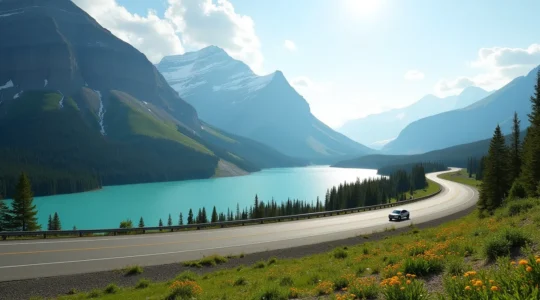
Driving the Icefields Parkway: The Complete Strategic Guide to Highway 93
In summary: Your Icefields Parkway trip is a logistical expedition, not just a scenic drive. Success depends on strategic planning. Fuel, food, and offline maps are non-negotiable preparations to be made in Lake Louise or Jasper. There are virtually no…
Read more
Discovering Canada’s UNESCO Sites: A Curated Route for Heritage Lovers
Planning a trip to Canada’s UNESCO sites is less about seeing them all and more about curating a profound, personalized experience. Strategic logistical choices—like a remote fly-in versus an urban road trip—fundamentally dictate the nature, cost, and depth of your…
Read more