Nature & Adventures
Canada’s wilderness represents one of the most diverse and expansive natural playgrounds on the planet. From the ancient temperate rainforests of British Columbia to the endless boreal stretches of the north, from the rugged Atlantic coastlines to the crystalline alpine lakes of the Rockies, this country offers nature enthusiasts an unparalleled range of ecosystems and adventure opportunities. Understanding these landscapes and the skills required to explore them safely transforms a simple outdoor outing into a meaningful connection with some of North America’s most pristine environments.
Whether you’re drawn to observing wildlife in their natural habitats, testing your limits on mountain scrambles, or learning to navigate backcountry terrain without modern connectivity, Canada’s wild spaces demand both respect and preparation. This comprehensive resource introduces the key themes, essential skills, and ecological contexts that define nature-based adventures across the country, helping you understand what makes each region unique and what you need to know before venturing into these remarkable landscapes.
Why Canada’s Natural Landscapes Demand Specialized Knowledge
The sheer scale and diversity of Canadian wilderness creates challenges that don’t exist in more densely populated regions. A hiker comfortable on European alpine trails may find themselves unprepared for the isolation of the Canadian Rockies, where cell service disappears for days and the nearest road can be a multi-day journey away. Similarly, someone accustomed to temperate coastal walks might underestimate the rapid weather shifts that characterize both Pacific and Atlantic shorelines.
Each ecosystem presents its own set of considerations. The coastal temperate rainforests of BC demand an understanding of moisture management and ecological sensitivity. Mountain environments require knowledge of altitude acclimatization and changing weather patterns. Boreal forests introduce visitors to extreme insect seasons and the critical role of forest fires. Winter landscapes across the country necessitate expertise in cold-weather physiology and specialized equipment. These aren’t obstacles to discourage exploration—they’re invitations to develop the skills that make these adventures both safer and more rewarding.
Coastal Rainforests and Marine Wildlife Encounters
Canada’s Pacific coastline harbors some of the world’s most significant temperate rainforest ecosystems, including the renowned Great Bear Rainforest. These environments operate on different rhythms than inland regions, shaped by maritime weather patterns that bring consistent moisture and unique climate constraints.
Navigating Remote Coastal Ecosystems
Access to places like the Great Bear Rainforest requires careful logistical planning. Remote lodges often represent the only accommodation for hundreds of kilometers, and reaching them involves coordinating boat, floatplane, or helicopter transport. The challenge isn’t just getting there—it’s understanding that once you arrive, you’re committed to the location regardless of weather. Coastal BC’s weather can ground aircraft or make boat travel unsafe, extending visits unexpectedly. This isolation also means limited connectivity, with satellite communication devices becoming essential rather than optional.
Wildlife Viewing and Ethical Considerations
The coastal waters of both British Columbia and Atlantic Canada offer exceptional opportunities for whale watching, but success depends on understanding migration patterns and species distribution. The Pacific coast provides chances to see grey whales, humpbacks, and orcas, while the Atlantic offers right whales and other species. Choosing between large tour boats and zodiac-style vessels affects both your experience and your environmental impact. Ethical guidelines established by organizations like the Marine Education and Research Society emphasize maintaining proper distances and minimizing disturbance—principles that responsible operators follow rigorously.
Coastal Hiking and Geological Awareness
Atlantic Canada’s coastal trails present distinct challenges, from the rugged cliffs of Newfoundland to the dramatic tides of the Bay of Fundy. Geological hazards including unstable cliff edges, rapidly shifting tides, and storm exposure require hikers to combine weather monitoring with an understanding of coastal dynamics. The same coastal winds that create stunning vistas also demand specialized gear choices, from wind-resistant layers to footwear that handles both wet rocks and muddy forest approaches.
Mountain Adventures and High-Altitude Challenges
Canada’s mountain ranges—from the Rockies to the Coast Mountains to the ranges of the Yukon—offer adventures spanning casual day hikes to technical scrambles. The common thread is the need to understand how altitude and mountain weather affect both safety and enjoyment.
Acclimatization and Altitude Management
Unlike visitors to high-altitude destinations who fly directly to elevation, those exploring Canadian mountains typically have the advantage of gradual ascent. However, scrambles and peak attempts can still bring rapid elevation gains. Understanding the early signs of altitude sickness—headaches, nausea, unusual fatigue—allows you to descend before symptoms become serious. The strategy isn’t complicated: ascend slowly, stay hydrated, and listen to your body’s signals.
Mountain Weather and Timing Strategies
Mountain weather in Canada is notoriously unpredictable. Afternoon thunderstorms in the Rockies can develop within hours, while the Coast Mountains’ maritime influence brings rapid fog and rain. Successful summit attempts often depend on early morning starts, completing exposed sections before typical afternoon weather windows close. This approach also helps you avoid wildlife encounters during peak animal activity periods at dawn and dusk.
Winter Mountain Sports and Ski Touring
British Columbia’s Powder Highway represents a unique concentration of ski terrain, connecting resorts from Revelstoke to Fernie. Road-tripping this route requires understanding winter driving conditions, from selecting appropriate vehicles to carrying necessary safety equipment. Beyond the logistics, maximizing ski time means balancing the physical demands of consecutive days on the slopes with strategic recovery and understanding how mountain weather affects snow conditions across different elevations.
Backcountry Skills and Wilderness Self-Sufficiency
Multi-day backcountry trips in Canada demand a skill set that extends well beyond basic hiking. The distances involved, the absence of infrastructure, and the presence of wildlife create an environment where preparation directly correlates with safety and enjoyment.
Navigation Without Technology
GPS devices and smartphone apps fail in cold weather, run out of battery, or simply lack coverage in remote areas. Understanding how to navigate using topographic maps and compass remains essential. This includes pre-trip route planning, identifying key terrain features, and understanding how terrain affects travel time. When trail markers disappear under snow or fog obscures landmarks, these traditional skills become your primary navigation tools.
Food Storage and Wildlife Safety in Bear Country
Canada’s backcountry is home to both black bears and grizzlies, with distribution varying by region. Proper food storage isn’t just recommended—in many parks and wilderness areas, specific methods are legally required. This includes using bear canisters, hanging food at proper heights and distances from camp, or utilizing provided food lockers. Understanding which regions have which bear species helps you make informed decisions about equipment and behavior.
Water Purification and Waste Management
Canadian wilderness water sources, while appearing pristine, can harbor giardia and other pathogens. Effective water treatment requires understanding the differences between filtration, chemical treatment, and UV purification, each with advantages depending on your situation. Equally important is managing human waste according to Leave No Trace principles, which in Canadian backcountry typically means packing out toilet paper and properly burying waste at least 70 meters from water sources.
Winter Wilderness and Cold Weather Expertise
Canadian winters transform familiar landscapes into environments that require entirely different skill sets. The challenges extend beyond simply staying warm—they involve understanding how cold affects equipment, physiology, and decision-making.
Winter Hiking and Snowshoeing Fundamentals
Snowshoeing opens winter landscapes to those without skiing experience, but success requires understanding how to select appropriate trails and manage the unique challenges of winter travel. Trail markers buried under snow, river crossings that seem solid but aren’t, and shortened daylight hours all demand adjusted expectations and enhanced navigation skills. Selecting the right snowshoe size depends on your weight including pack, snow conditions, and terrain steepness.
Temperature Management and Layering Systems
The principle of layering—base layer for moisture management, insulation layer for warmth, shell layer for wind and precipitation—becomes critical in sub-zero temperatures. The challenge lies in managing body temperature during variable activity levels. Overheating while moving leads to sweat, which then chills you during rest breaks. Successful winter travelers constantly adjust layers, often removing insulation before they feel hot rather than waiting until they’re sweating.
Recognizing and Preventing Cold Weather Injuries
Hypothermia doesn’t only occur in extreme conditions—it can develop in temperatures well above freezing when moisture and wind combine. Early signs include shivering, confusion, and loss of coordination. Similarly, frostbite risk increases when cold temperatures combine with wind exposure. Understanding how to recognize these conditions in yourself and companions, combined with knowing immediate response protocols, represents essential winter wilderness knowledge.
Paddling Adventures on Lakes and Coastal Waters
Canada’s paddling opportunities range from tranquil inland lakes to challenging ocean environments, with the transition between the two demanding significantly different skills and equipment.
Lake Versus Ocean Kayaking
The gear differences between lake and ocean kayaking reflect fundamentally different environments. Ocean kayaking requires spray skirts, rudders, and flotation bags that are optional on calm lakes. The skills differ too—understanding tides, currents, and ocean swells versus reading lake wind patterns and thermoclines. Even on seemingly calm coastal waters, the Pacific’s cold temperatures and Atlantic’s tidal ranges create hazards absent from interior lakes.
Multi-Day Kayak Camping
Planning a multi-day kayak camping trip combines paddling skills with backcountry camping knowledge. Weight distribution within the kayak affects handling, so understanding how to pack for balance while keeping essential items accessible requires practice. Water-based camping also means every item must be waterproofed, campsites must be selected with tide and weather in mind, and launch sites may be limited by access regulations in parks like the Gulf Islands or the Thousand Islands.
Cold Water Safety and Capsize Recovery
Canadian waters, even in summer, remain dangerously cold in many regions. Immersion in water below 15°C initiates cold shock response—gasping, hyperventilation, and rapid loss of coordination. This makes capsize recovery skills essential rather than optional. Self-rescue techniques, from paddle float recoveries to wet re-entries, need to be practiced enough to execute them under stress and in cold conditions. Many paddlers also wear wetsuits or drysuits even on calm days, recognizing that prevention and preparation matter more than confidence in avoiding capsizes.
Forest Ecosystems and Wildlife Observation
Canada’s forests—from the boreal stretching across the northern provinces to the old-growth stands of Vancouver Island—represent ecosystems of global significance. Understanding these environments enhances both appreciation and responsible exploration.
The Boreal Forest’s Global Importance
The boreal forest, stretching from Yukon to Newfoundland and Labrador, represents one of Earth’s largest terrestrial biomes. It functions as a massive carbon storage system, with peatlands alone sequestering enormous quantities of carbon. The forest’s ecology depends on periodic fires, which many visitors find counterintuitive—but understanding this cycle helps explain the jack pine’s adaptation and the ecosystem’s regeneration patterns. Visiting during the brief summer window means encountering the infamous insect season, which, while challenging, supports the entire food web from migratory birds to small mammals.
Old-Growth Forests and Conservation Context
Vancouver Island’s old-growth forests, exemplified by Cathedral Grove but extending to lesser-known groves, showcase trees that began growing before European contact. These forests operate on timeframes measured in centuries, with nurse logs supporting new growth for decades and creating the multi-layered canopy that defines these ecosystems. Currently, conservation efforts focus on protecting remaining old-growth, as less than three percent of the original productive old-growth remains. Supporting these efforts can be as simple as choosing tour operators who contribute to conservation funds or visiting provincial parks where entry fees fund protection efforts.
Birdwatching and Migration Spectacles
Point Pelee National Park in Ontario represents Canada’s premier spring migration destination, where geographic position creates a concentration point for northbound birds. The Festival of Birds brings thousands of watchers during peak migration, requiring advance understanding of the shuttle system and park logistics. Success in birding depends less on expensive equipment—though quality binoculars help—and more on understanding habitat preferences, migration timing, and learning key identification features for common species before attempting to identify rarities.
Specialized Cold Water Activities
Canada’s cold water environments support unique adventure opportunities, from freshwater wreck diving to marine wildlife encounters, all requiring specialized thermal protection and safety protocols.
Freshwater Diving and Shipwreck Exploration
Fathom Five National Marine Park near Tobermory, Ontario, protects numerous shipwrecks in remarkably clear freshwater. Diving these sites requires understanding how freshwater buoyancy differs from ocean diving—you’ll need slightly more weight than in saltwater. The Great Lakes’ cold temperatures, even in summer thermoclines, demand at minimum a 7mm wetsuit and often a drysuit for extended dives. The reward is visibility that can exceed 20 meters and historical artifacts preserved by cold water.
Marine Wildlife Diving
British Columbia offers the rare opportunity to dive with Steller sea lions, particularly around the northern islands. These encounters require advanced diving skills, comfort with current, and understanding that these are wild animals whose behavior can be unpredictable. The cold water necessitates drysuits, and surface intervals in cold weather require planning for warmth between dives. Responsible operators limit group sizes and enforce behavior guidelines that prioritize animal welfare.
Photographing Glacier-Fed Lakes
The turquoise waters of Moraine Lake, Peyto Lake, and similar glacier-fed bodies result from rock flour suspended in glacial meltwater. Photographing these colors from the water requires understanding both the timing of glacial melt—peak color occurs mid to late summer—and the safety considerations of paddling on these lakes. Water temperatures rarely exceed 4°C, making immersion potentially fatal within minutes. Transportation logistics also matter, as some lakes restrict private boats or require shuttle access, affecting equipment choices.
Canada’s nature and adventure opportunities span ecosystems, skill levels, and seasons. The connecting thread isn’t the specific activity—it’s the combination of preparation, respect for the environment, and willingness to develop the skills these landscapes deserve. Whether you’re drawn to coastal rainforests, mountain peaks, boreal ecology, or winter wilderness, understanding the fundamentals outlined here provides the foundation for safe, rewarding, and responsible exploration of one of the world’s great wilderness nations.
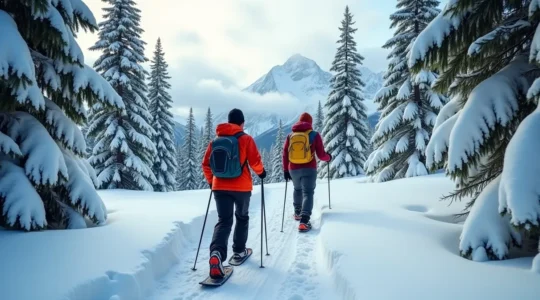
Snowshoeing for Non-Skiers: How to Enjoy Winter Trails
Many believe snowshoeing is just a simple alternative to skiing, essentially ‘walking on snow.’ The reality is that truly enjoying Canada’s winter trails is about acquiring a deeper ‘winter literacy’—understanding the unwritten rules of the trail, reading the stories left…
Read more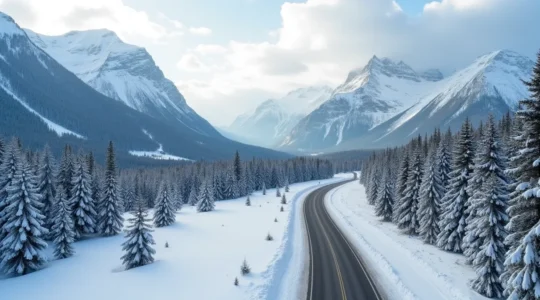
The Powder Highway: Planning the Ultimate BC Ski Road Trip
The secret to an epic Powder Highway road trip isn’t a map, but a series of smart strategic trade-offs to maximize your time on the snow. Your ski pass choice (Epic vs. Ikon) fundamentally dictates your route and which resorts…
Read more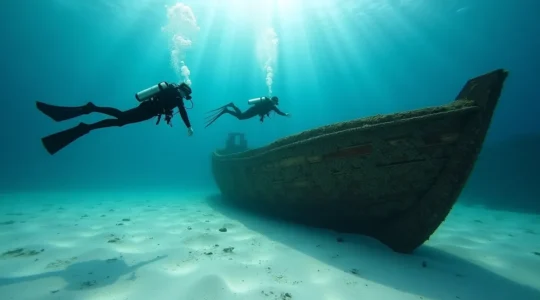
Mastering the Depths: Your Expert Guide to Tobermory’s Cold-Water Wrecks
Warm-water dive skills are not enough for the unique challenges of Tobermory’s shipwrecks; mastering the environment requires a new level of technical understanding. The physics of freshwater dramatically alters buoyancy, demanding a complete recalculation of your weighting and trim. Managing…
Read more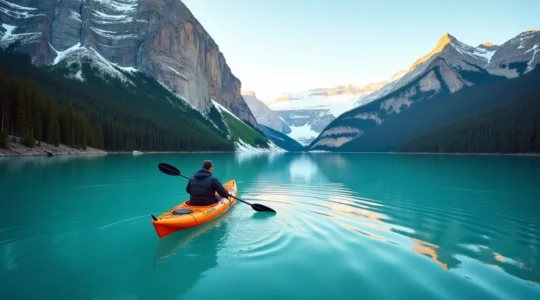
Kayaking Moraine Lake: The Tactical Guide to Ditching Rentals & Bringing Your Own Boat
Getting the iconic Moraine Lake photo doesn’t require a $160/hour rental canoe; it’s a solvable logistical puzzle. You can legally bring a compact, airline-compliant inflatable kayak on the mandatory Parks Canada shuttle. Understanding the science of light and “rock flour”…
Read more
Birdwatching at Point Pelee: Timing the Spring Migration
Arriving at Point Pelee in May without a plan leads to frustrating crowds and missed opportunities; the key to a magical experience is strategy, not luck. Success depends on smart logistics, like abandoning your car and using park transit to…
Read more
Visiting Cathedral Grove: A Conservationist’s Guide to Awe, Not Crowds
The secret to a meaningful visit to Cathedral Grove isn’t finding a secret parking spot; it’s shifting your perspective from tourist to forest steward. The massive fallen trees aren’t debris; they are the lifeblood of the forest, creating space and…
Read more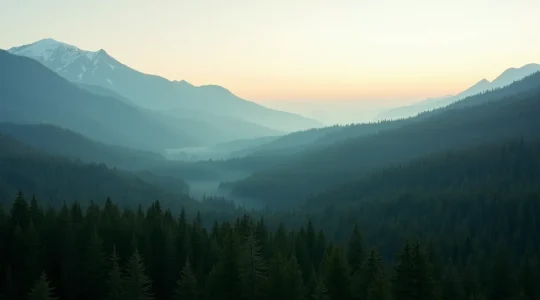
The Lungs of the North: Why the Boreal Forest Matters
Canada’s boreal forest is more than a vast expanse of trees; it’s a dynamic superorganism driven by cycles of fire, deep cold, and unique co-dependencies. Essential processes like fire are not disasters but catalysts for rebirth, crucial for species like…
Read more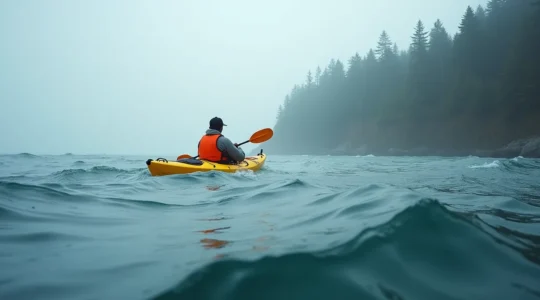
Paddling Canada: A Guide to Safe Kayaking Adventures
Relying on a basic safety checklist in Canadian waters is a critical mistake; true safety comes from understanding the specific environmental dangers of your location. A recreational kayak suitable for a calm lake is dangerously inadequate for the powerful swells…
Read more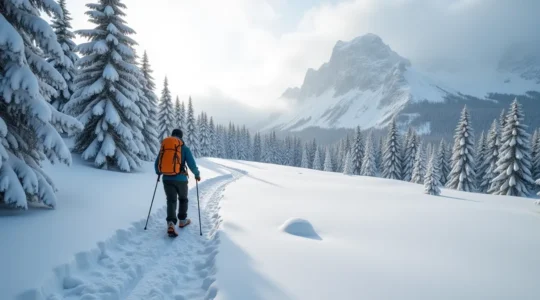
Winter Hiking 101: Conquering Snowy Trails Safely
In summary: Successful winter hiking isn’t about piling on clothes; it’s about actively managing your body’s heat and moisture like a furnace. Choosing the right traction—microspikes for ice, snowshoes for deep snow—is the first step to efficiency and safety on…
Read more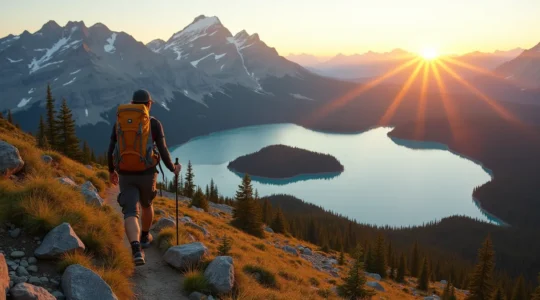
Surviving the Backcountry: Planning Multi-Day Wilderness Adventures
True backcountry survival in Canada is not about what you pack, but about mastering the technical systems required to neutralize specific, regional threats. Success depends on shifting from a checklist mentality to a framework of risk mitigation and procedural discipline….
Read more